
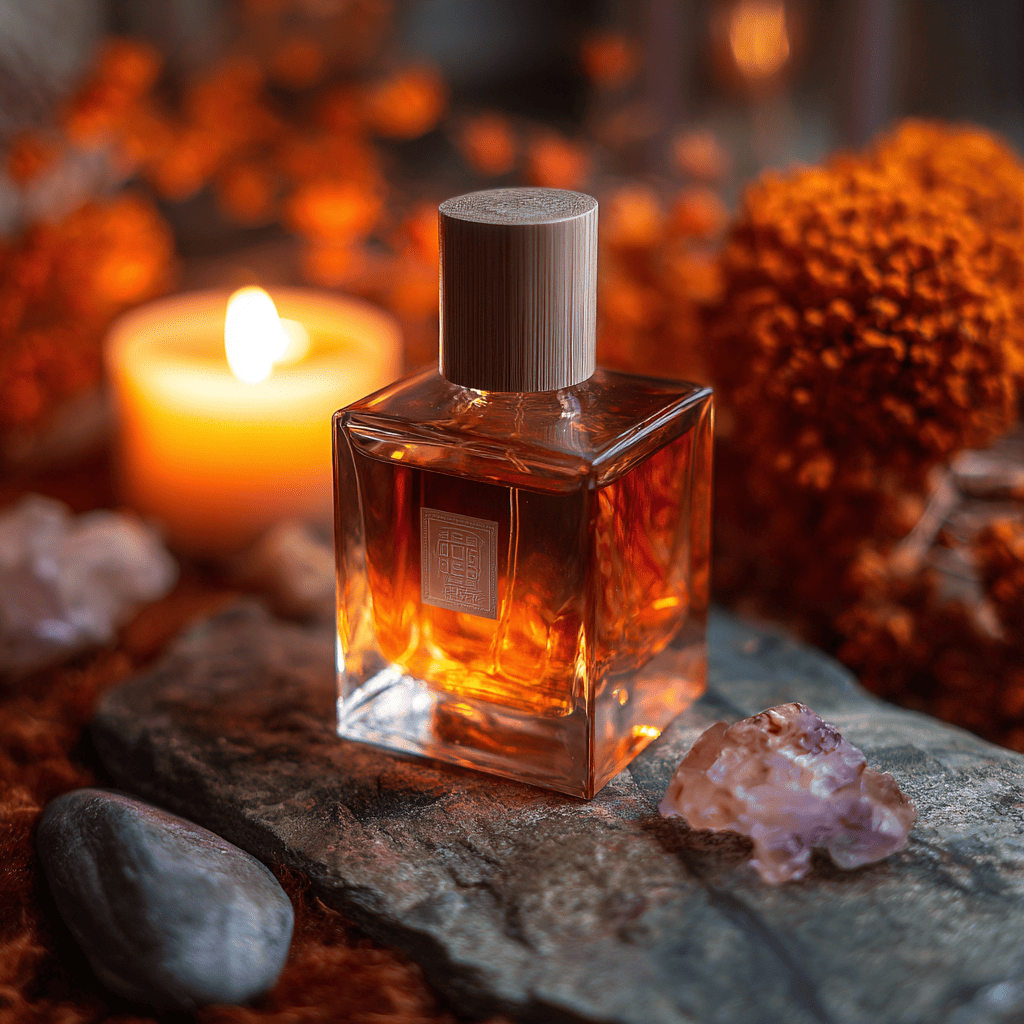
God of fire is not just a striking name for a fragrance — it’s a reminder that scent can hold a raw, ancient force. The element of fire is at…
The Fragrance Formula Posts

Packing a favorite fragrance for a trip can feel like taking a piece of home on the road. Whether it’s your signature perfume, a calming essential oil, or a room…

Too many people treat sleep as something optional — something you squeeze in between late-night emails and early alarms. But when your immune system starts to fail you, it’s often…

Scrolling through social media, it’s impossible to avoid bold claims about miracle cleanses and trendy detox teas. Promises of glowing skin, effortless weight loss, and a “total reset” sound tempting…
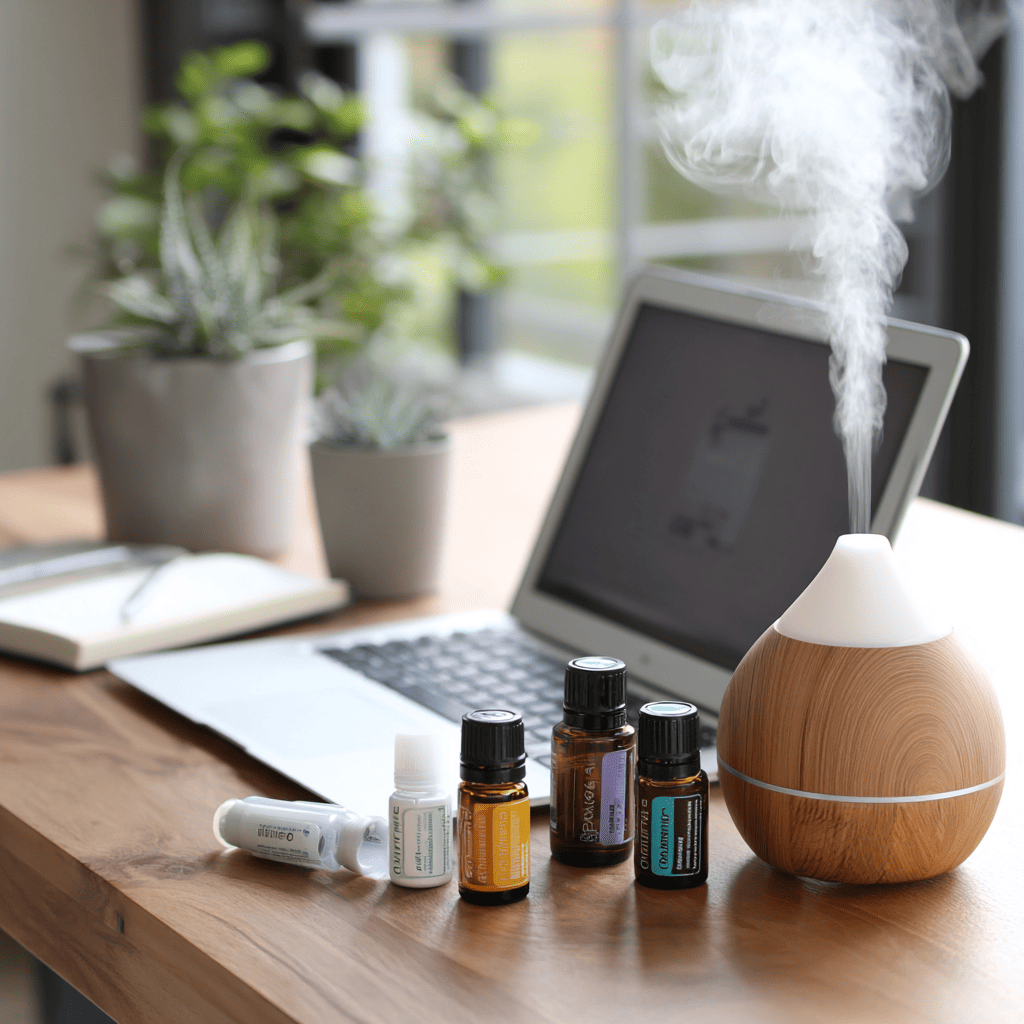
Deadlines, endless notifications, and the feeling that you can never fully switch off — modern work life drains energy fast. For many busy professionals, real relaxation feels impossible during a…
Staying focused is no longer just about putting away your phone or finding a quiet corner. Subtle, well-chosen scents can help clear mental fog, boost alertness, and make long stretches…
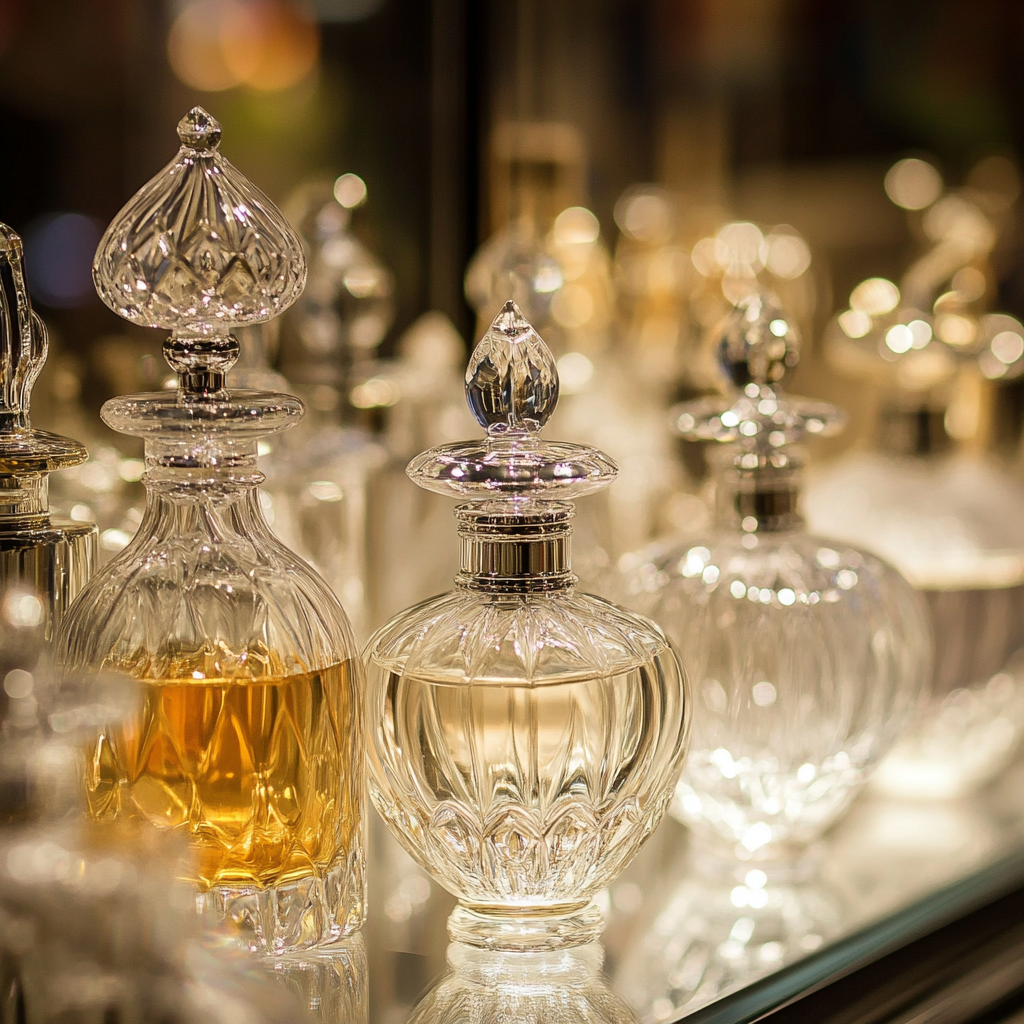
Mancera French Riviera is more than just a fragrance—it’s a sensory escape to the sunlit shores of the Mediterranean. From the very first spray, it transports you to the iconic…
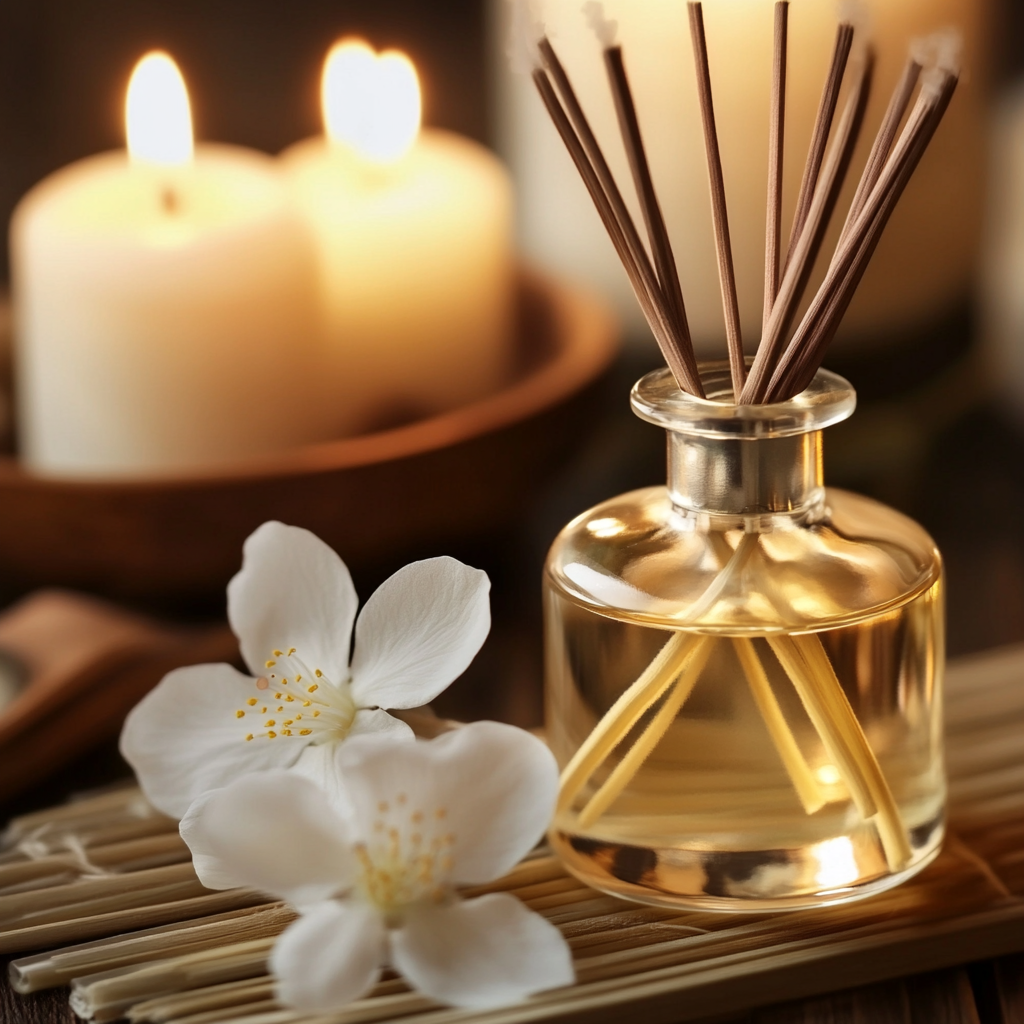
Understanding the Role of Fragrance in Mood and Productivity Fragrance has a profound effect on our emotions, cognition, and overall well-being. Scents interact with the brain’s limbic system—the area responsible…

Check Credentials and Qualifications One of the most important steps in choosing a reliable clinic and doctor is verifying their credentials. Make sure the doctor is licensed to practice in…

Understanding the Role of Vitamins in Your Body Vitamins are organic compounds that the body needs in small amounts to function properly, yet they play crucial roles in nearly every…